


The Why of Steel: Strong, Sustainable, and Sensational!
Why steel bikes still matter: explore their ride quality, repairability, sustainability, and how they stack up against aluminum, carbon, and titanium.
In a world trained to chase trends, steel often gets dismissed as “old school.” But that perception ignores its remarkable versatility and enduring appeal. Even more, steel remains a favorite among riders who value durability, sustainability, and a ride quality that feels alive beneath them. So, why does steel still matter in an era dominated by carbon fiber? Read on!

Despite the renaissance of steel bikes, it’s still commonplace to swat them aside with dismissive labels like “classic,” “vintage,” or “traditional.” Steel possesses infinite tunability, which is what Tom Ritchey took wholesale advantage of more than 50 years ago to challenge accepted standards of steel frame construction. Steel continues to enjoy a special status as a bike frame material for its durability and longevity, and also for its recyclability, repairability, and its design potential. A marvelously resilient material, steel can be shaped into a bike frame that’s oriented around the rider’s biomechanics, as well as their personal style and preferences. Yet, when carbon fiber debuted as a frame material, it mostly eclipsed steel. “Why steel?” you might have asked the helpful salesperson when shopping for a bike, especially when the one you were looking at didn’t look any different from a steel bike decades older. Here’s why:

Common Misconceptions About Steel
If you’re prone to judging a book by its cover, steel bikes look heavy and outdated, and they lack the seductive curves of a hyperbike that’s been shaped around common performance goals. Regarding modern steel frames, it’s mostly what’s inside a steel bike frame tube that’s evolved, so it’s easy to understand why looks can be deceiving.
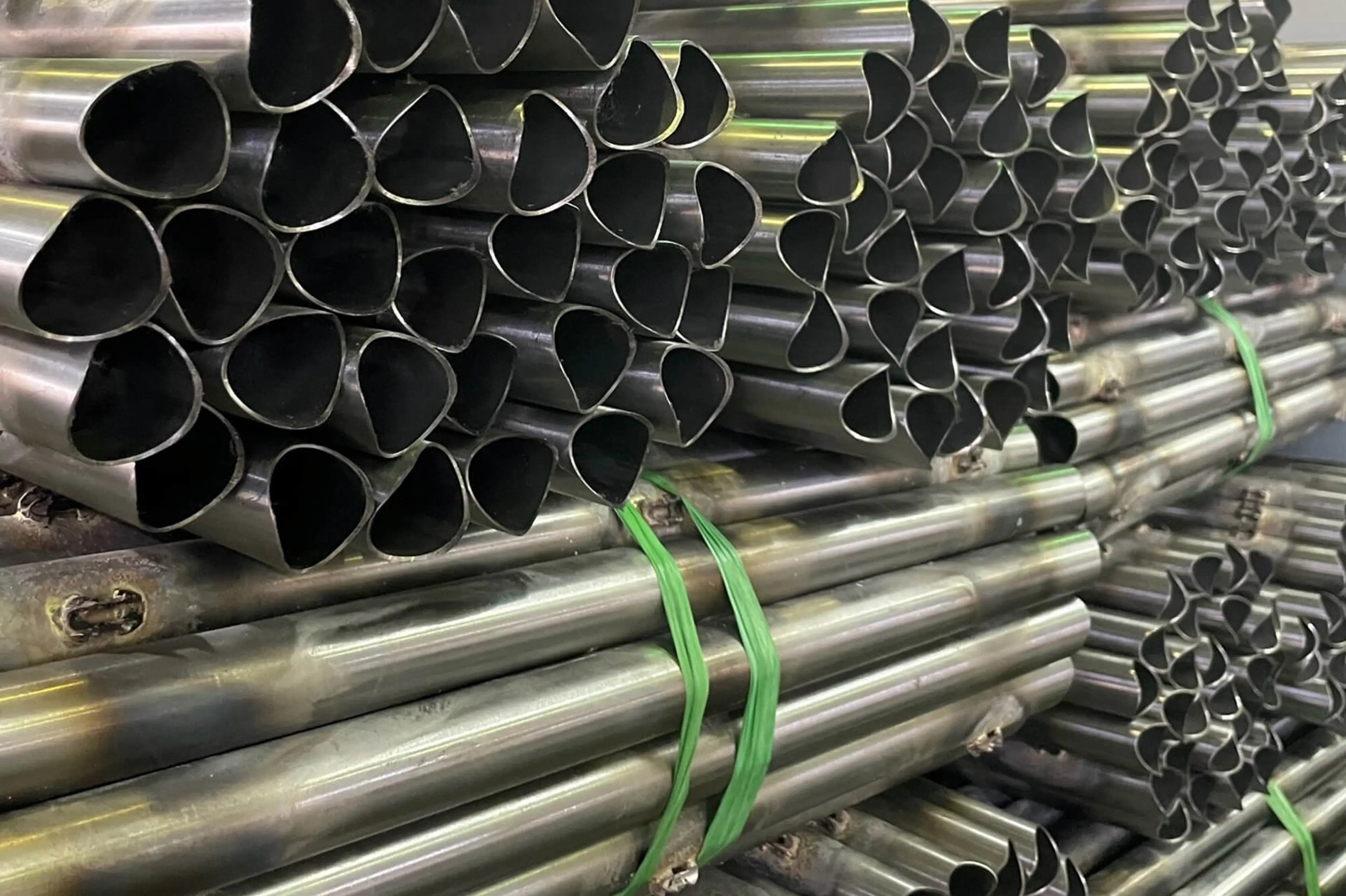
Steel alloys start with iron and carbon and are combined with varying percentages of chrome, nickel, manganese, molybdenum, vanadium, etc., to yield specific characteristics such as fatigue resistance, workability, and insensitivity to overheating. A frame manufacturer, like Ritchey, who wants total control over the performance characteristics of steel bikes bearing their name, will start with proprietary steel tube designs. For instance, Ritchey developed his triple-butted Logic Tubing specifically for the TIG welding process.
Butted tubing varies the wall thickness along the length of the tube to reduce weight without compromising strength. Triple-butted tubing features three unique, location-specific wall thicknesses while double-butted tubing features two. What Tom Ritchey did was to pinpoint transitions in a tube’s wall thickness to optimize it for its intended purpose. When you reduce unnecessary material in a frame’s tubing, it lowers the weight; when you strengthen frame tubing in strategic areas, it yields a bike that can rival a carbon fiber frame in both weight and strength.
Steel bikes have always had a loyal following that’s remained faithful, even as steel fell out of fashion. Whether that’s true or we were just busy chasing shiny objects, steel has made a comeback for reasons that Tom Ritchey has known all along.

What makes steel unique?
Fans of steel credit its sensational feel as the reason why they love steel bikes. They name characteristics like “spring-y,” “elastic,” and “lively,” which have been deliberately engineered into their steel frames and forks. It’s as if the rider and bike have made a secret pact to enjoy their ride as one.
To witness what steel can do for bike design, visit any artisan bike show to see how masters of bike building express creativity and functionality through heat and metal. While it’s true that carbon fiber can be formed into complex shapes to yield coveted performance characteristics, like stiffness and aerodynamics, it’s far easier to acquire a custom-made steel bike oriented around an individual rider’s specific needs.
In his well-written article on bikepacking.com, Nic Morales asked “What is the Best Bike Frame Material?” while admitting that the editorial team’s favorite frame material “is undoubtedly steel.” And why not? Steel is available worldwide, it’s recyclable, and — most importantly — it’s repairable.

Repairability in Practice
Dents, cracks, and even clean breaks can all be repaired on a steel bike frame. The damage will dictate the repair process and, if you’re not confident doing it yourself, someone with experience welding bike frames (like a frame builder) can restore your bike to like-new condition.
Watch Paul Brodie bring a vintage Ritchey back to life: Repair a Vintage Ritchey Frame!
Why steel is ideal for traveling
High up in the Atlas Mountains of Morocco or deep in Cuba’s interior, a bikepacker would be hard pressed to find retail bike parts and service, but they may find something better: resourceful people who can fix just about anything because they must. Politics, economics, embargoes, conflict etc. have helped establish cottage repair industries worldwide so that now, as more people are riding far out of reach of easy fixes for cracked aerospace frames, steel stands out as the most reliable frame material for bikepacking, gravel racing, and adventure cycling.

Steel vs. other frame materials
Steel vs. aluminum or steel vs. titanium — why choose steel is a question that’s layered in individual motives, like what the bike will be used for and how much will it cost? Ultimately, it’s a personal choice that’s influenced by what each material has to offer:
- Carbon fiber for bike frames is made from strands of carbon fiber woven into a pliable material that’s been cut to precise dimensions and treated with resin (either pre-applied or applied during the manufacturing process) and arranged in molds to optimize carbon fiber’s orthotropic properties. Carbon fiber’s infinite design potential along with its superior stiffness-to-weight ratio result in frames that are often engineered for going fast.
- Aluminum, or aluminum alloy, became one of the first alternatives to steel for crafting bike frames. Cheaper than steel, aluminum bikes are also lightweight and durable. They can take a beating, yet aluminum has a reputation for being unforgiving on bad roads. The most economical frame material of all the choices here, aluminum’s lower price is short-lived since it has a shorter lifespan than most frame materials.
- Titanium alloy has notched a hallowed rank as a frame material for its high strength, low density, and corrosion resistance. Regarded as a high-end frame material, titanium bikes tend to command high prices, not only because Ti is an expensive material, it also requires more attention to detail to produce a frame. But, given titanium’s virtual immortality, a custom ti frame could easily be the last bike you’ll ever buy.
For quick ref, here are some pros and cons of each material:
Carbon Fiber
Pros
Cons
Aluminum
Pros
Cons
Titanium
Pros
Cons

The why of steel
A virtuous frame material, steel never seems to get enough credit as a timeless, versatile, and forward-looking option for a 21st century bike. Though if you know, you know that steel has appeal as one of the finer things in life for its sublime ride quality, excellent repairability, and 100 percent recyclability. Tom Ritchey could have chased trends all the way to the bank if he’d wanted to, but for anyone who’s ever experienced the sensational feel of a steel frame from Ritchey and all the thoughtful technology that went into that frame, then you know the why of steel.
Related articles


Join now for engaging stories, exclusive offers and product news delivered right to your inbox.