

How to Choose the Best Road Bike Handlebars
Learn how to choose the best road bike handlebars based on fit, comfort, material, and style — plus explore top options from Ritchey.
Table of contents (bullet points):
- Handlebar ergonomics
- How to start choosing the best road bike handlebar for you: width, flare, reach, and drop
- What is handlebar backsweep?
- Handlebar material
- Internal routing
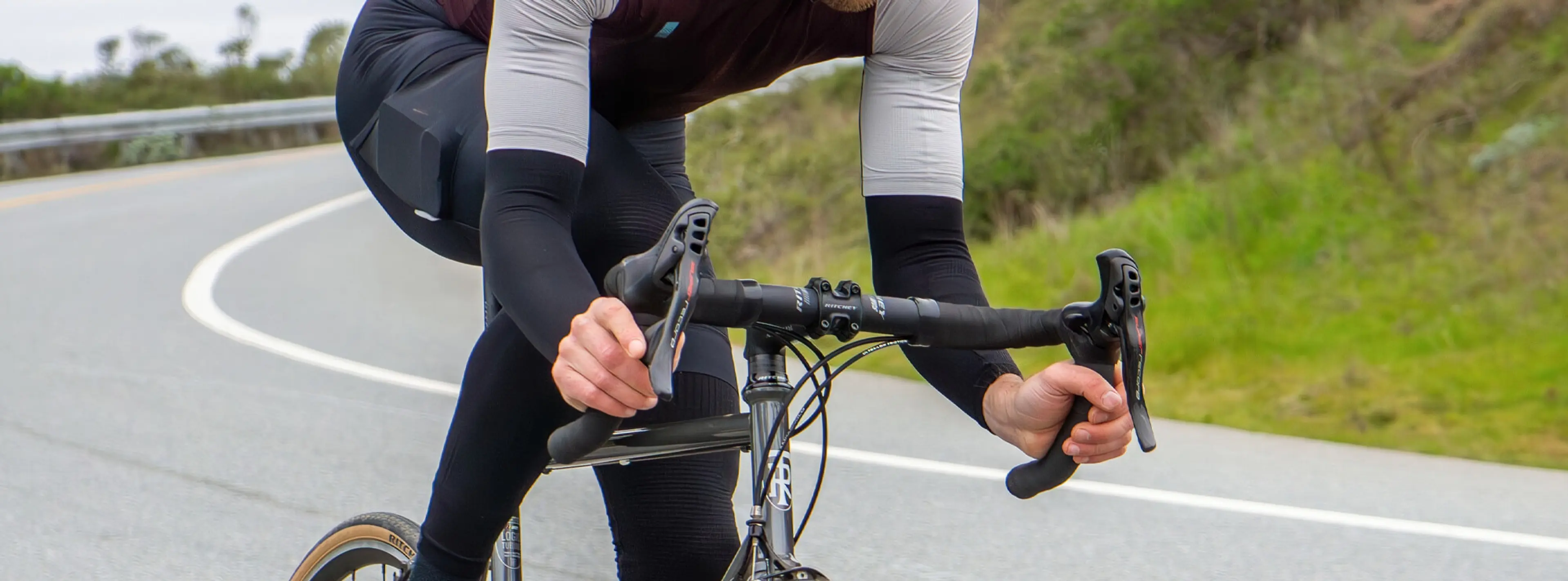
Road bike handlebars might look simple, but they play a huge role in how your bike feels and performs. From understanding ergonomics to knowing about width, drop, and flare, there’s a lot to learn from this guide about choosing the best road bike handlebar for you. Plus, find out which Ritchey handlebars are your perfect match!

Did you know that no single component has undergone so many changes (while staying relatively the same) as road bike handlebars? As one of the three points of contact between rider and bike, road bike handlebars are designed to position the rider as comfortably as possible while allowing for specific performance benefits, according to rider preferences. Sometimes those preferences are decidedly uncomfortable because, in the tireless pursuit of marginal gains, handlebars can command a huge influence on how your bike handles, and consequently, your cycling performance.
Not all road bike handlebars are designed for going faster. There are also wide, flared bars with shallow drops that are nothing like integrated monocoque bars designed for aerodynamics and aesthetics.
Choosing the right road bike handlebar requires some deep, emotional probing to investigate what brings you the most joy in life. Just kidding, the most important things to consider when choosing a handlebar are intended purpose and rider flexibility, followed by the correct shape, width, flare, reach, drop, and even rise, which we’ll get into below.
Ritchey provides several handlebars for road riding, like the ErgoMax for road riding in optimal comfort, the Skyline — Ritchey’s most ergonomic road bar, the SuperLogic Streem the performance bar for gaining an edge on the competition, the Butano, the most-flared road bar, and the Curve and Baquiano bars with their minimalist design and favorable price.
Handlebar ergonomics
First though, to optimize your comfort, control, and performance, understanding handlebar ergonomics will literally put you in a better position to enjoy road riding. Your handlebar design and how it’s positioned relative to the headtube will influence your handlebar ergonomics, which involves adjusting the height, angle, and shape of the handlebars — as well as the placement of levers and grips — to achieve a natural and relaxed posture that minimizes strain and maximizes efficiency.

How to choose the right Road Bike handlebar for you
You’ve already narrowed it down to road bike handlebars — that means you’ve filtered out a lot of options. Now, let’s explore the key features that will help you find the best bar for you.
- Width: handlebar width is often measured in centimeters, though it’s not uncommon to see widths in millimeters. Road bike handlebars often have two widths: a hood width and a drop width, which give them…
- Flare: the narrower hood width, from the centerline of where the controls mount, and the wider drop width, the distance in centimeters from the centerline of the drops create the bar’s drop flare. A road bike handlebar’s drop flare indicates the angle of the drops away from the center of the bar. Plus, you’ll agree that a road bar with flare has a certain je ne sais quoi.
- Reach is the distance in millimeters from the center of the bar clamp to the most forward part of the bar. A bar’s reach influences how much you extend your upper body to reach the hoods.
- Drop is the distance in millimeters from the center of the bar’s top to the lowest point in the center of the drops. A bar’s drop influences your upper body’s position relative to the stem. The greater the drop, the more your torso will be angled toward the top tube when in the drops.
- Rise is the vertical distance in millimeters between the center of the handlebar clamp and the center of the grips. A bar’s rise influences the angle of the torso relative to the top tube.
How to choose the right reach, drop, and flare for you
Using comfort as a guiding principle, your handlebar’s reach should allow for a comfortable stretch to the hoods while maintaining a good torso position. The handlebar’s drop should allow for easy access to the drops, or can put you in the most aerodynamic position possible, if you’re looking for a racing edge. Flare influences your stability where the wider the drop flare, the wider your hands are positioned for more control and confidence when you’re in the drops.
TIP: The smaller the bar size, the more compact it is, which puts the different hand positions closer to each other. Wider bars not only open up the chest by spreading your hands further apart, increasing distance between each hand position; it's also a greater opportunity to change upper body position.
Ritchey handlebars offer different reaches, drops, and flares depending on your preference for comfort, aerodynamics, stability, and control. For instance, a standout feature of the Skyline is its progressive reach and drop depending on each bar’s width. This design is intended to offer ergonomic consistency across all sizes. Or the Butano’s generous 18-degree flare, which offers greater control when in the drops compared to the Classic’s 0-degree flare, which results in a more traditional handlebar profile.
What is handlebar backsweep?
Backsweep is the rearward angle of the bar top. A road handlebar with a backsweep allows you to maintain a more natural wrist position and keep your elbows closer to your body. Most Ritchey handlebars for road riding feature a backsweep between four and five degrees.
Ritchey road handlebars with backsweep include the ErgoMax, Butano, Streem, EvoCurve, and the Skyline.
Handlebar shape
Road bike handlebars come in a variety of shapes, each with their own advantages. Ritchey has top shapes and bend shapes that have been conceived to provide specific performance characteristics.
- Round: top with a traditional circular shape, size and weight.
- Ergonomic: fatter trapezoidal top for superior comfort and confidence.
- Aero: a wide, thin, and flat top shape for pure aerodynamics and the highest level of performance.
- Ergo-aero: a flattened round top offers a comfortable ergonomic hand position with aerodynamic benefits.

The bar’s bend shape also matters to aerodynamics, ergonomics, and stability, which Ritchey has defined in the following bend shapes for road.
- Traditional: classic drop bar shape noted for consistent radius curve - think a semi-circle - that forces the hands closer to the front of the bar for a low, aggressive, and aero position.
- Compact: this shape is a variable radius that changes continuously as it curves, which is slightly more ergonomic for the natural curve of the hand. It boasts limitless hand positions.
- Anatomical: this shape offers two angles – an flatter angled part and a straight part for fixing the hands in two optimized and more stable positions on the bar.

Handlebar material
Road bike handlebars are most often crafted from aluminum alloy or carbon fiber. Aluminum alloy handlebars are more affordable and durable, while carbon fiber road bike handlebars are lighter, can absorb vibrations, and possess more design potential.
Price is often the deciding factor when choosing handlebars since the difference can be dramatic. Understanding that cyclists with different needs may also have different budgets, Ritchey often makes similar versions of the same model. The main difference between the WCS ErgoMax and the Comp ErgoMax handlebar, for example, is reflected in the price, which is directly tied to each bar’s material composition. The higher-priced WCS ErgoMax is crafted out of triple-butted 7050 alloy, which produces a lighter handlebar, while the lower-priced Comp ErgoMax is made from slightly heavier double-butted 6061 alloy.
TIP: Not all carbon fiber is created equal. Variations in fiber count, resin compounds, and layup schedule account for different characteristics in carbon fiber handlebars, like ultra stiff or vibration absorption. Ritchey’s carbon fiber handlebars, like the monocoque SuperLogic Butano Ridge, have all been optimized for their intended use. For example, target weights get set for each handlebar model, then various grades of carbon fiber get applied to different handlebar sections. The carbon fiber gets cut and strategically placed in position. All these details will be tweaked until the handlebar passes required impact and fatigue tests.

Handlebar internal routing
A more recent design feature for modern road bikes, internally routed handlebars route brake and shifter cables inside the handlebar, headset, and frame for improved aerodynamics and a cleaner look. While aesthetically appealing, installation and maintenance of internally routed systems can prove challenging.
All Ritchey carbon fiber handlebars offer internal routing, while some alloy models like Streem and Butano offer it as well. These handlebars are compatible with a wide range of framesets for riders who prefer Ritchey’s brand of innovation and practicality.
Choosing the best road bike handlebars is about balancing comfort, control, and performance. By taking key factors like shape, width, flare, reach, drop, rise, and material into consideration, you can fine tune your setup to match your riding style and biomechanical needs. Ritchey’s diverse lineup — from the ergonomic Skyline to the aerodynamic Streem and the flared Butano — gives you options to meet your specific preferences and budget.
Join now for engaging stories, exclusive offers and product news delivered right to your inbox.