

Kiwi Exposes Europe in a Raw Continental Crossing
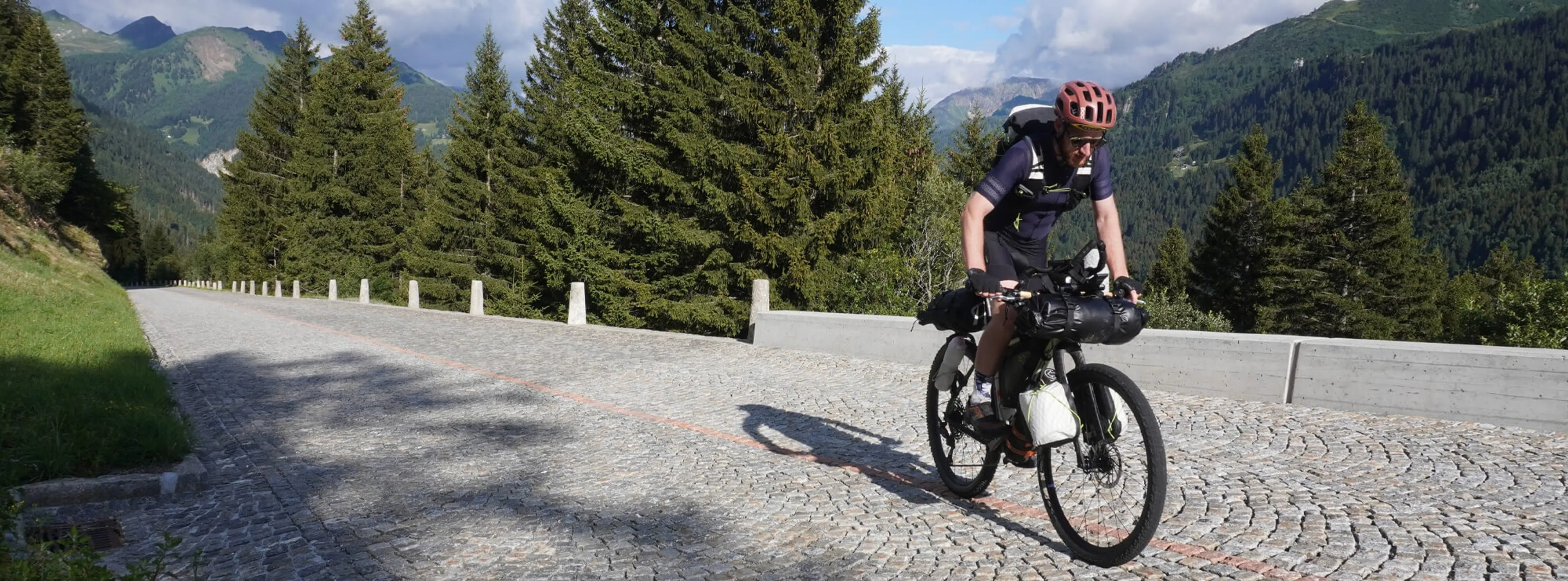
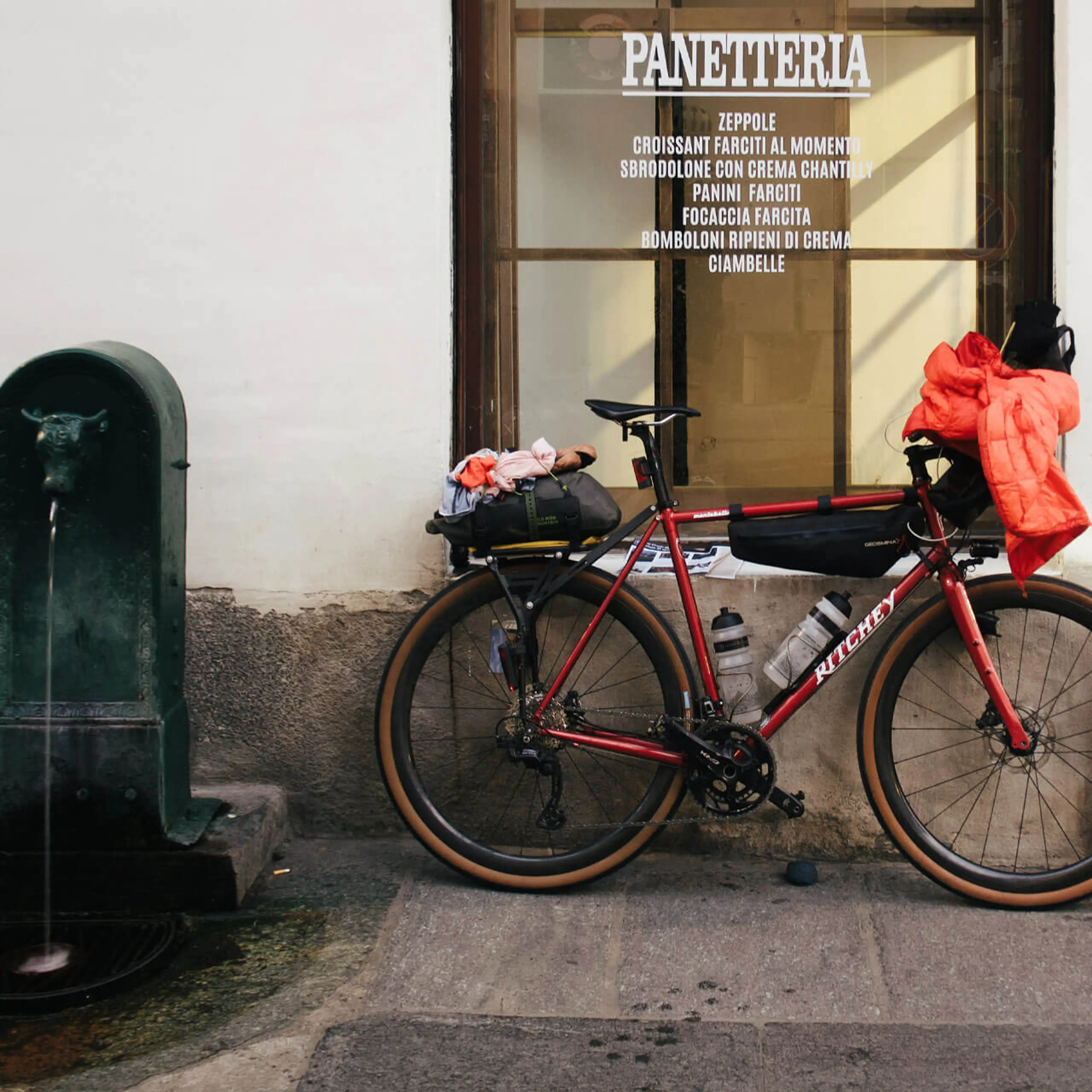
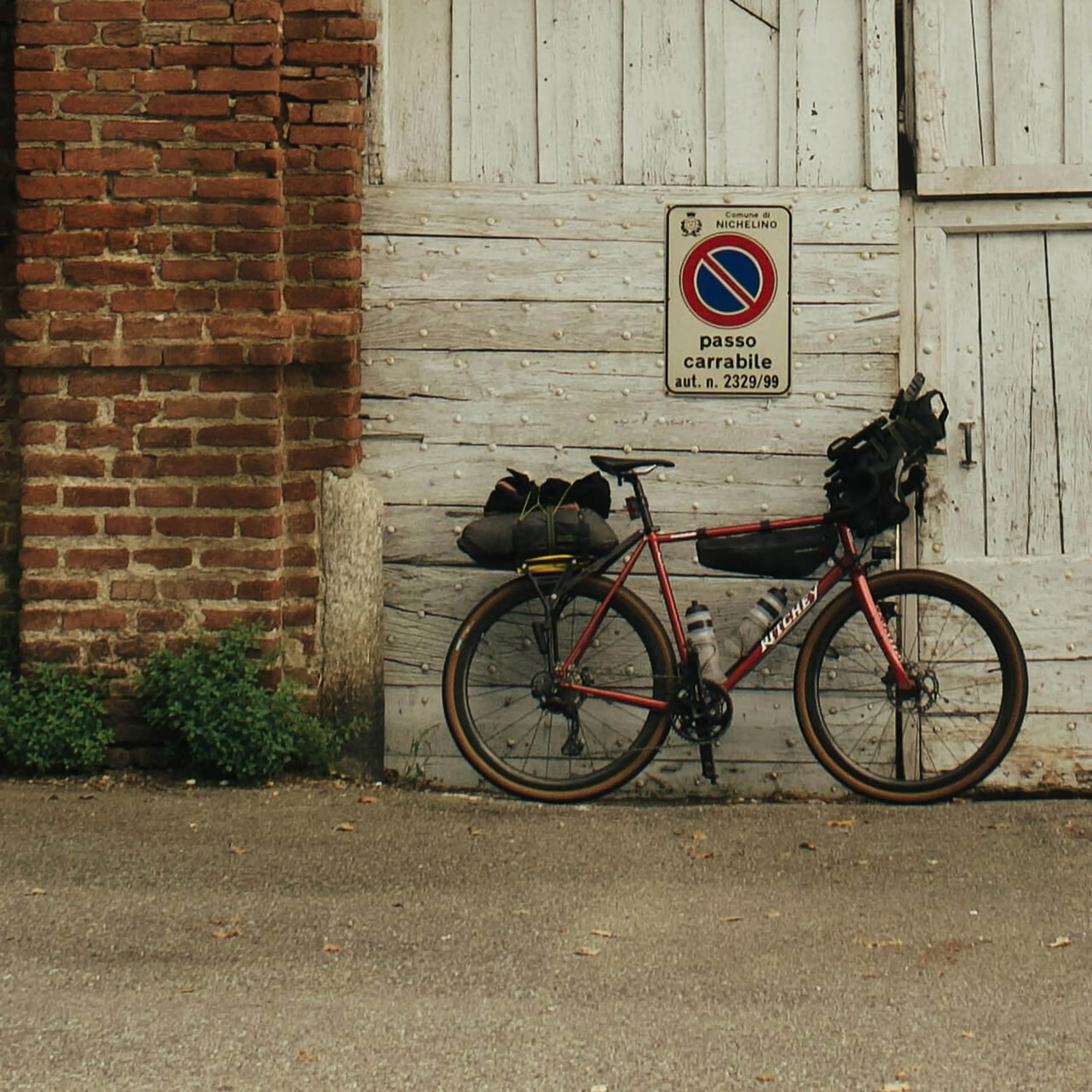
Liam travels through Europe on his Ritchey Ultra with a WCS Carbon Mountain Adventure Fork.
In simple terms, the difference between racing solo and riding by yourself in foreign lands is a question of logistics. For a fee, race organizers will manage them for you and you can say that you rode in “(fill in the blank)”. Or, you can do what Liam Crozier did, which was to imagine connecting two continents by bike. In Part 1, Liam travels through Europe, which has been pimped out by cycling tour operators for decades — its beauty perhaps faded by overcommercialization. His bike, a Ritchey Ultra with a WCS Carbon Mountain Adventure Fork, may be a bit over-engineered for the orderly arrangement of paved roads, but Europe is a good place to start, since it’s easy, a bit cliché, yet still has secrets that won’t ever show up in glossy travel brochures.
Words and images by Liam Crozier
The ride plan: Europe to Asia
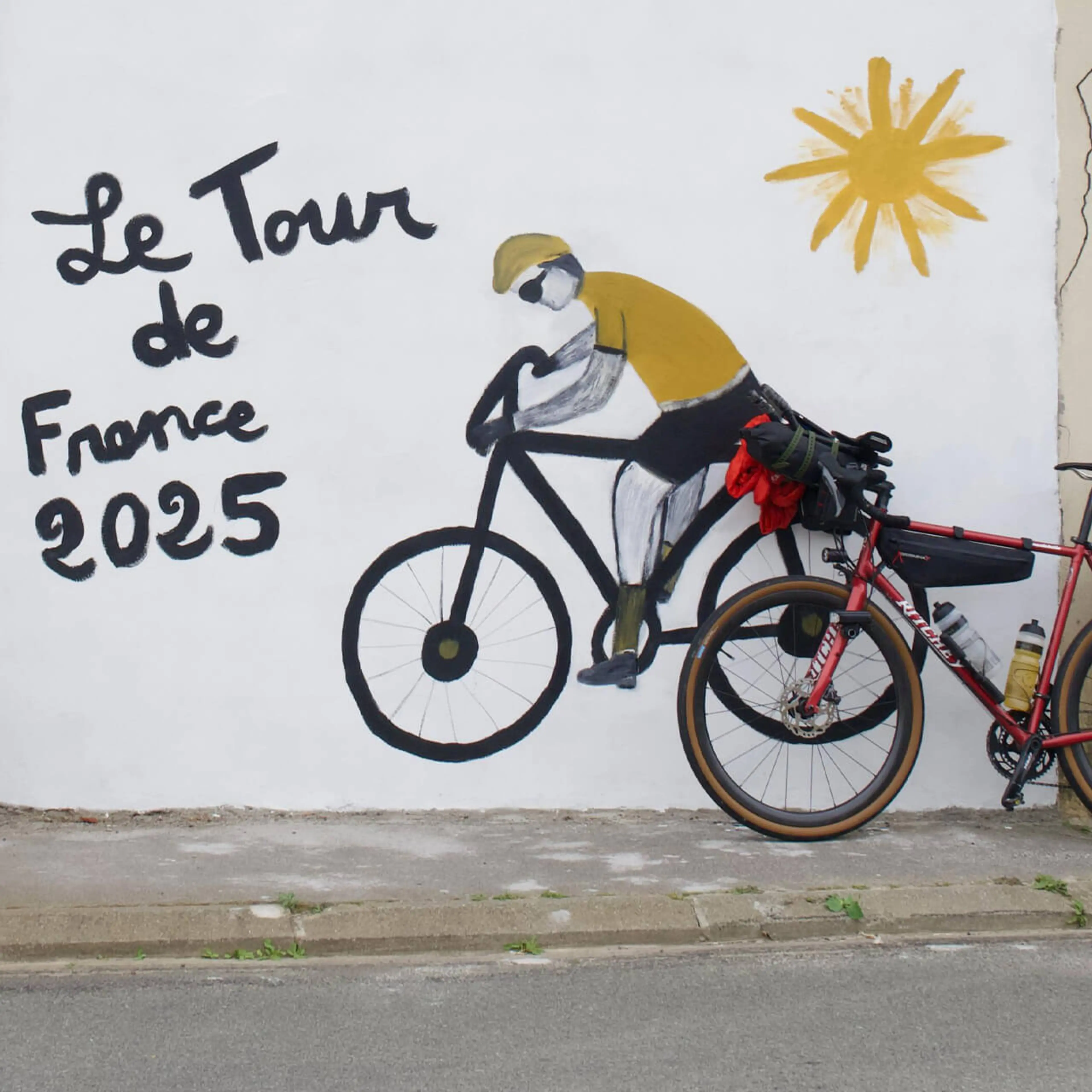
I originally set out to see if I could do a land crossing to get to the Pacific in the time it took my first ancestor to do the sea crossing to New Zealand. As the departure date drew closer and the optimal months to start in Spring had already passed, while geopolitical tensions had spilled over into conflict and wars, it became clear that logistics are something I do not care for, and that the adventure would have to be altered for what was logistically viable and financially responsible. For instance, London and its post-Brexit costs no longer made sense, so Paris became the city from which to start. The journey became more about documenting the change over what is essentially one piece of land.
Liam’s Ritchey Ultra and gear
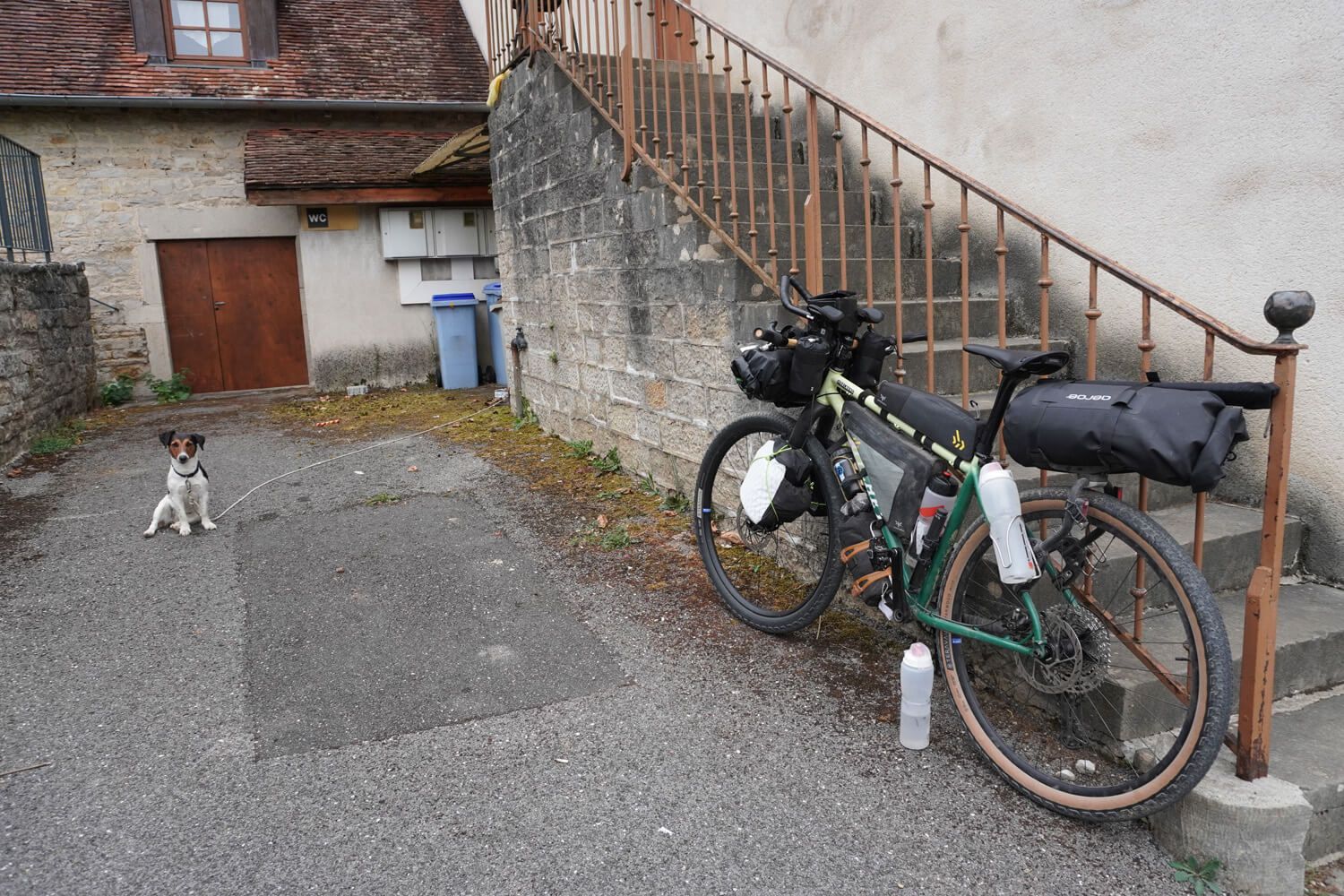
- Ritchey Ultra, Size Large (custom modified cable routing for mechanical brakes; added two bottle bosses under frame; and custom painted by me)
- Fork: Ritchey WCS Carbon Mountain Adventure Fork with custom fork bags
- Wheelset: Ritchey WCS Zeta GX Boost
- Handlebar: Passchier Bamboo bar with Ergon grips and SQ Labs inner bar ends. Front bag from MS Grape and a set of modified Profile Designs aero bars
- Stem: Ritchey 45mm WCS Trail with two Decathlon bags.
- Brakes: vintage Ritchey Logic levers to Avid BB7 and SRAM Centreline rotors
- Middle bags: Apidura
- Crankset: Garbaruk with 34T chainring and stainless Endura steel BB bearings
- Pedals:Time Speciale 8
- Drivetrain: Shimano SLX with Deore cassette and XTR chain
- Seatpost: Ergon/Canyon flexy thing
- Saddle: Brooks C15
- Rear rack: Aeroe with 12L drybag
- Tyres: Teravail and Vittoria Mezcal with Dynamic sealant
- Custom backpack made for extra food and water
- Shoes: Shimano EX7
- Camera: Sony ZV-E10
I am fascinated with how Africa, Europe and Asia are all connected, yet the people and cultures differ like nowhere else. I live in the Pacific, a stretch of ocean that spans half the earth. All the continents can fit inside this ocean and there’s still space for a couple more; in short — it is huge. Despite its size and geographic difficulties, the Pacific was colonised by one people. The Māori of New Zealand are very clearly related to the Hawaiians more than 7000 kilometers (4,350 miles) away, who are more closely related to Eastern Asians and the people of the Americas than they are to Europeans.
Is biking better?
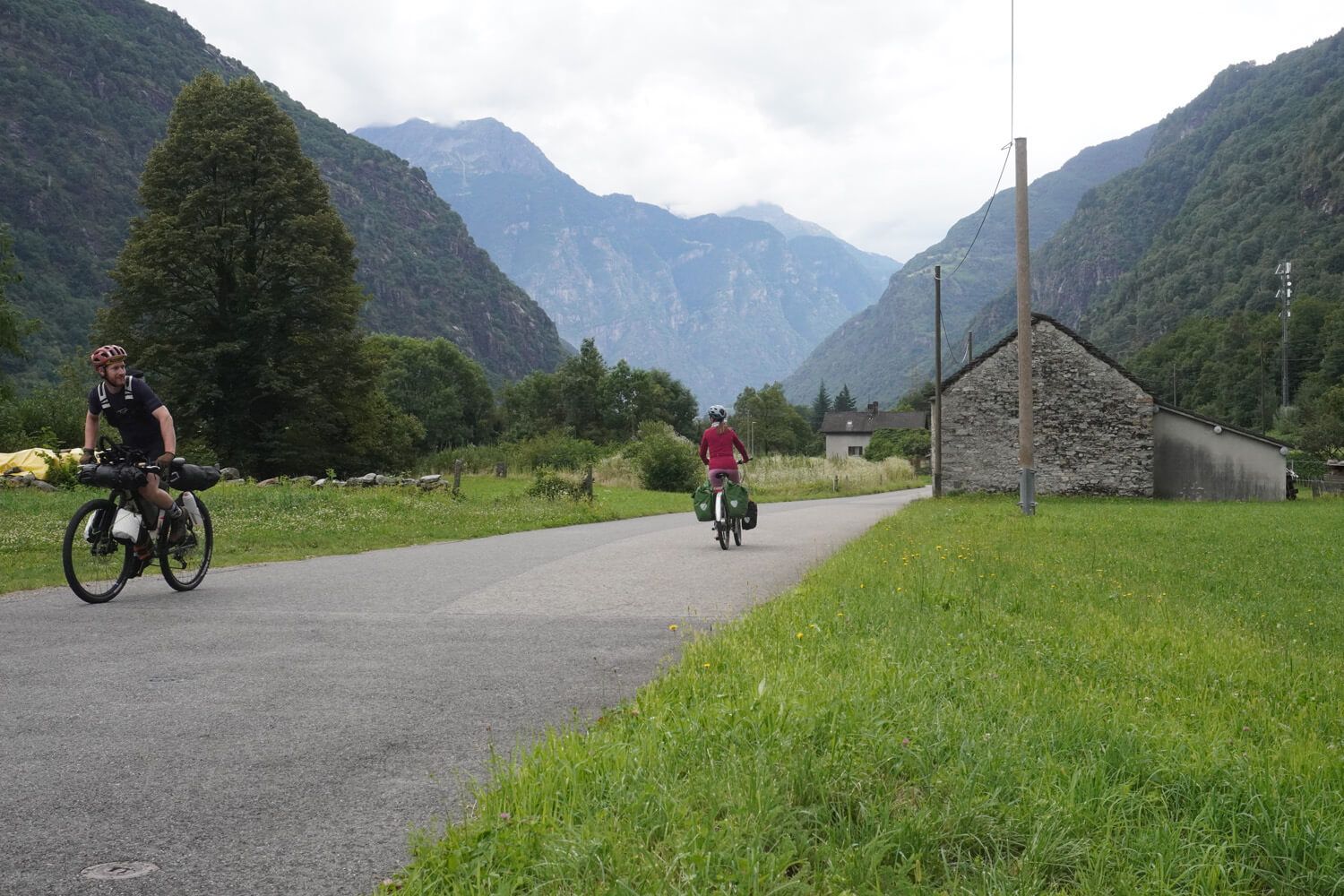
Biking offers a unique perspective. It forces you to actually travel, to cross land and borders and engage with communities rather than drop into cities with a plane and claim you have seen a country. Every town is important, every shop is a place to stock up, to renavigate, to rest. Unlike air travel, you do not simply see a city, visit the carefully curated sites and eat the carefully curated foods. You don’t stay in the hotels with modern amenities, showers and air conditioning, you don't just tick off a county, but rather you explore, converse and assimilate. Modern travel has you moving from one air conditioned space to another, from one patch of Wifi to another, from one English speaker to another, from one hotel with similar travelers to another. The bike gives you spontaneous moments of generosity, people stop to give you food and water, hail you to eat with them on open gas cookers, you get taken into homes or to their parties and weddings, you teach English and get taken to ancient sites unknown to Google. The fellow travelers you spend time with become fundamental to the experience and significant figures for your life.

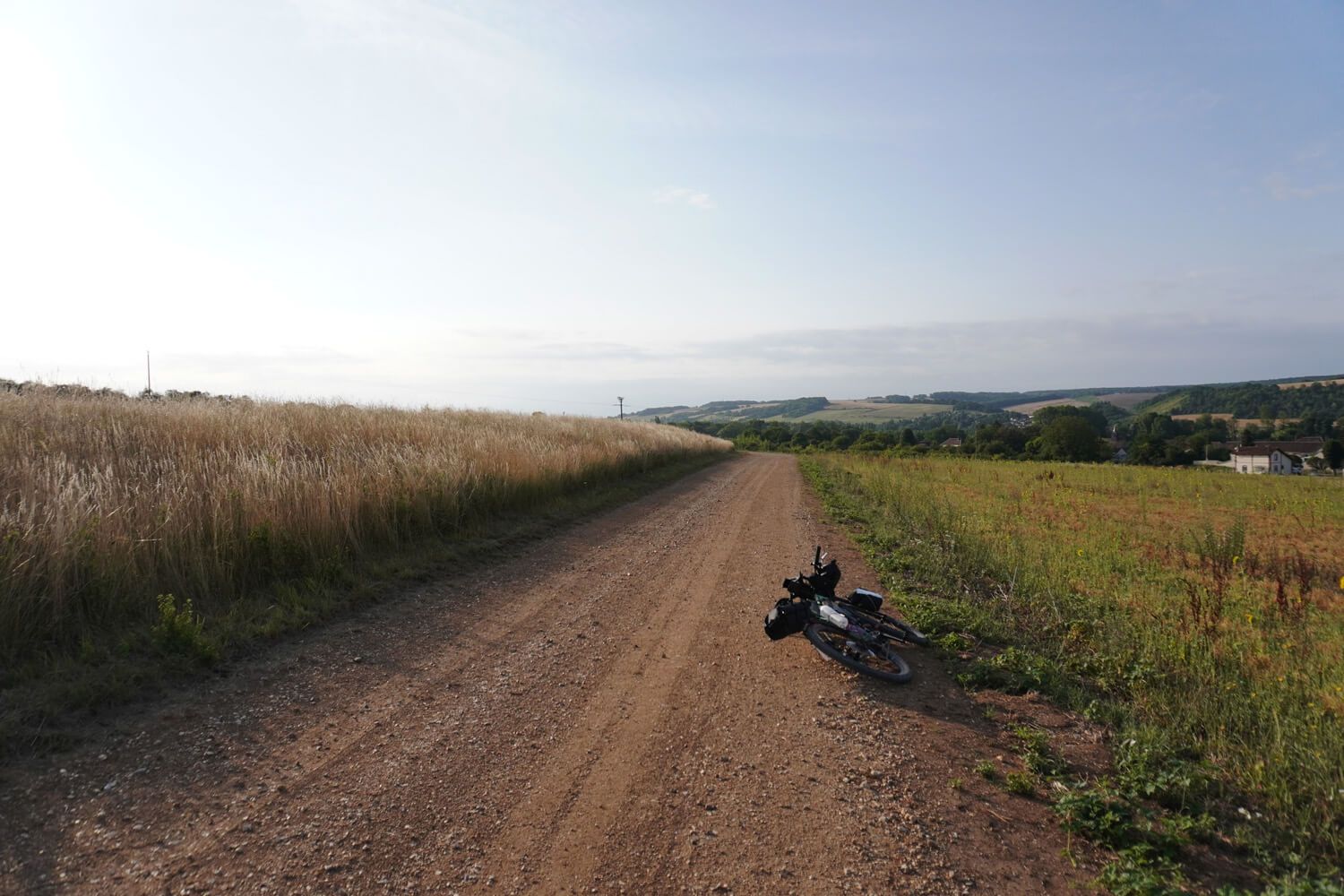
I left Paris on Bastille Day and pedaled through a city stilled by a heatwave and dotted by heat sinks from concrete towers. Paris is a place with little to speak of these days. It’s like an old lady, once beautiful but now long past her best; she clings to what she once prided herself on and tells everyone how great she still is. Following the Seine the concrete towers gave way to mounds of rubbish overflowing from bins, spilling out of bushes that seemed to grow wine bottles and corks. It wasn’t long however until the city faded away, and my route took me into the overgrown trails and beautiful country villas of ‘old wealth’. I had originally hoped to head straight to Germany but I had friends to visit, which sent me south toward the French Alps. I met up with an old ‘Warm Showers’ friend in his quaint (literally) end-of-the-road village. The villages here feel extraordinarily cliché, an unfortunate result of movies that have featured them. James Bond and The Sound of Music still play their songs in the collective consciousness of how we perceive the Alps, and that is this little part of France for me. The juxtaposition is jarring as you descend from the idyllic villages and enter the cities like Grenoble, where brutalist 70’s construction scars the skyline, motorways cut through the landscape and people no longer smile or salute passersby. The sense of community is stripped down to a lonely atmosphere of stress and individualism.

Europe will not be stereotyped
Passing through Europe was bittersweet, and I was happy to leave it behind me. Some places stunned me, like Switzerland, where — despite the rain and debilitating sickness that had me bedridden (and replaced whatever power my legs once had with a racing heart and fatigue), the roads and cycleways were like no other. The streets and paths are lined with opulence, and even the most basic architectural structure has been considered.
People were mostly amazing, especially in Serbia where I have never seen so many beautiful women and met such joyous men.
Even the drivers were courteous, which was a far cry from my experience in Croatia. In both Serbia and Croatia I found buildings still clad in bullet holes, and it was hard to decipher occupied from unoccupied homes. Cemeteries signaled the town as I approached and, amongst the rubbish, the leathered skin or bloated bodies of unlucky mangy mongrels marked the outskirts. The stench marred my memories and much of my time in this part of Europe was marked by juxtapositions.
The diplomacy of trains
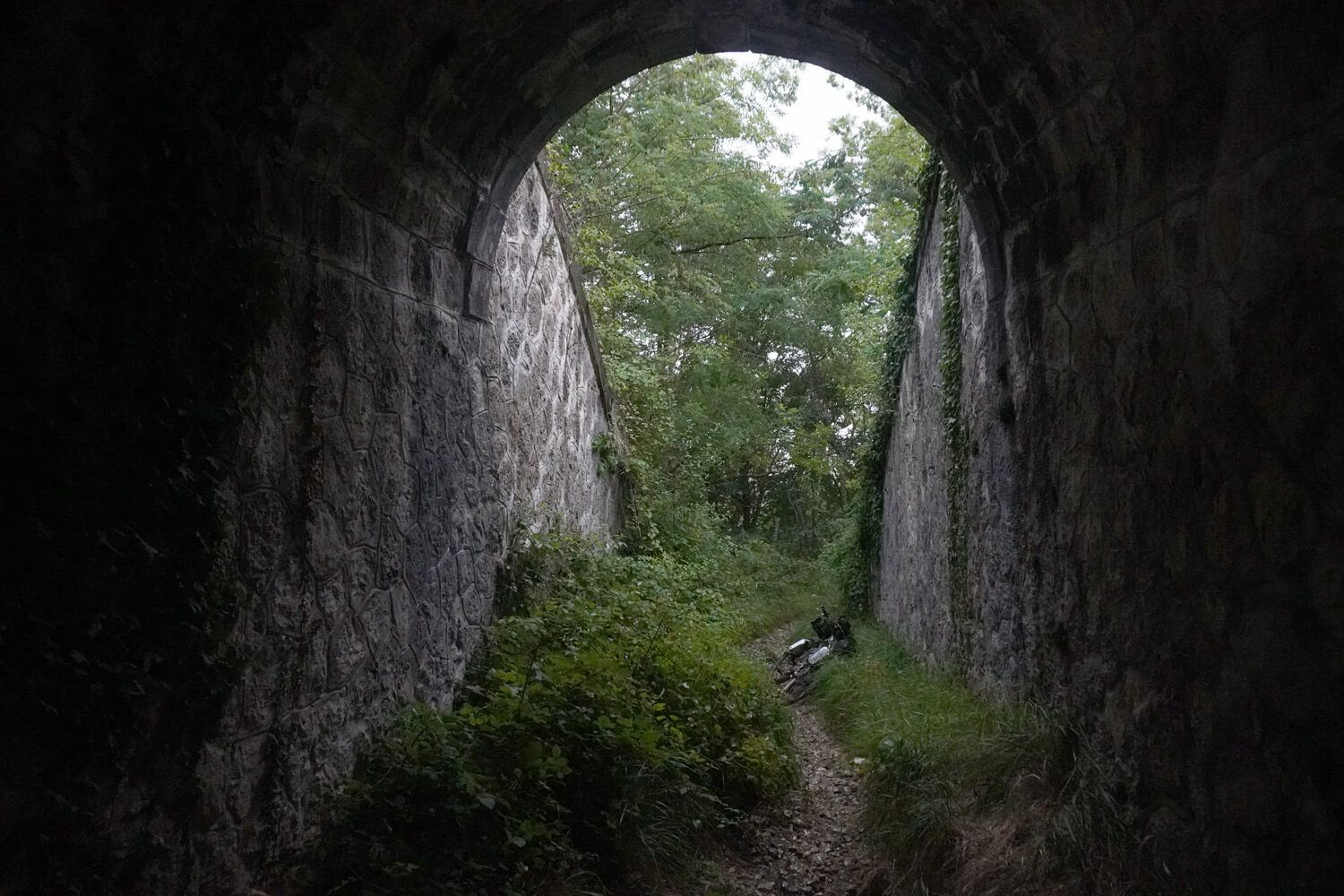
Another aspect I love is catching trains in Europe. All layers of that metaphorical onion that’s at once a town, city or a society gets peeled away and put on display in train stations. Pickpockets eye their victims, the middle class line up to get to work, the rich prepare for a trip and tourists, like me, look stranded or lost staring at signs to decipher new arrangements of otherwise familiar letters. Trains are an exception to the cycling rule — if the experience can be improved, that’s the way one should travel. And thus, on occasion, I opted to cross a border or get back on track by train.
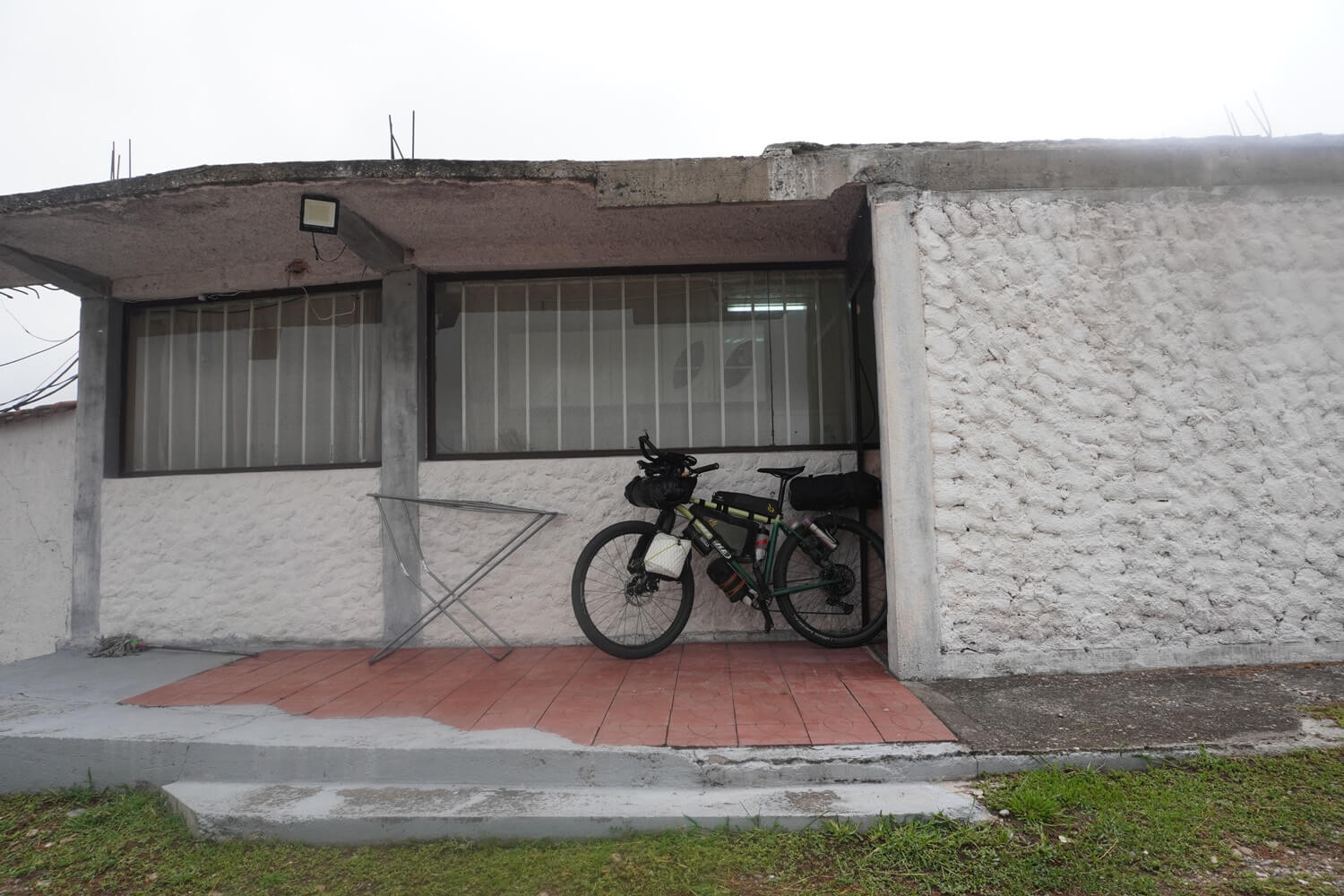
The other exception was in Turkey. Having crossed the Bosporus Strait, that thin stretch of turbulent water that divides Europe from Asia, I found myself reassessing plans. I despised the roads around Istanbul, but trains were fully booked so reluctantly I dropped into the aero bars and headed east. The day’s heat rolled into night, and I pedaled mostly on motorways until midnight. After finally finding a small garden to pitch my portable home, I was abruptly woken before sunrise by automatic sprinklers and an onslaught of slugs. Despondent, tired and back on the road, I decided to consult Google. It told me what I needed to know: there was no land crossing to Azerbaijan, and it was cheaper to fly from Istanbul to Kazakhstan than from Georgia. So, unable to explore the places that actually interested me due to time constraints and shifting seasons in the big mountains ahead, I turned back for Istanbul and took a flight to Kazakhstan.
Did you know? 15% of Kazakhstan is in Europe, which makes it eligible for membership on the Council of Europe.
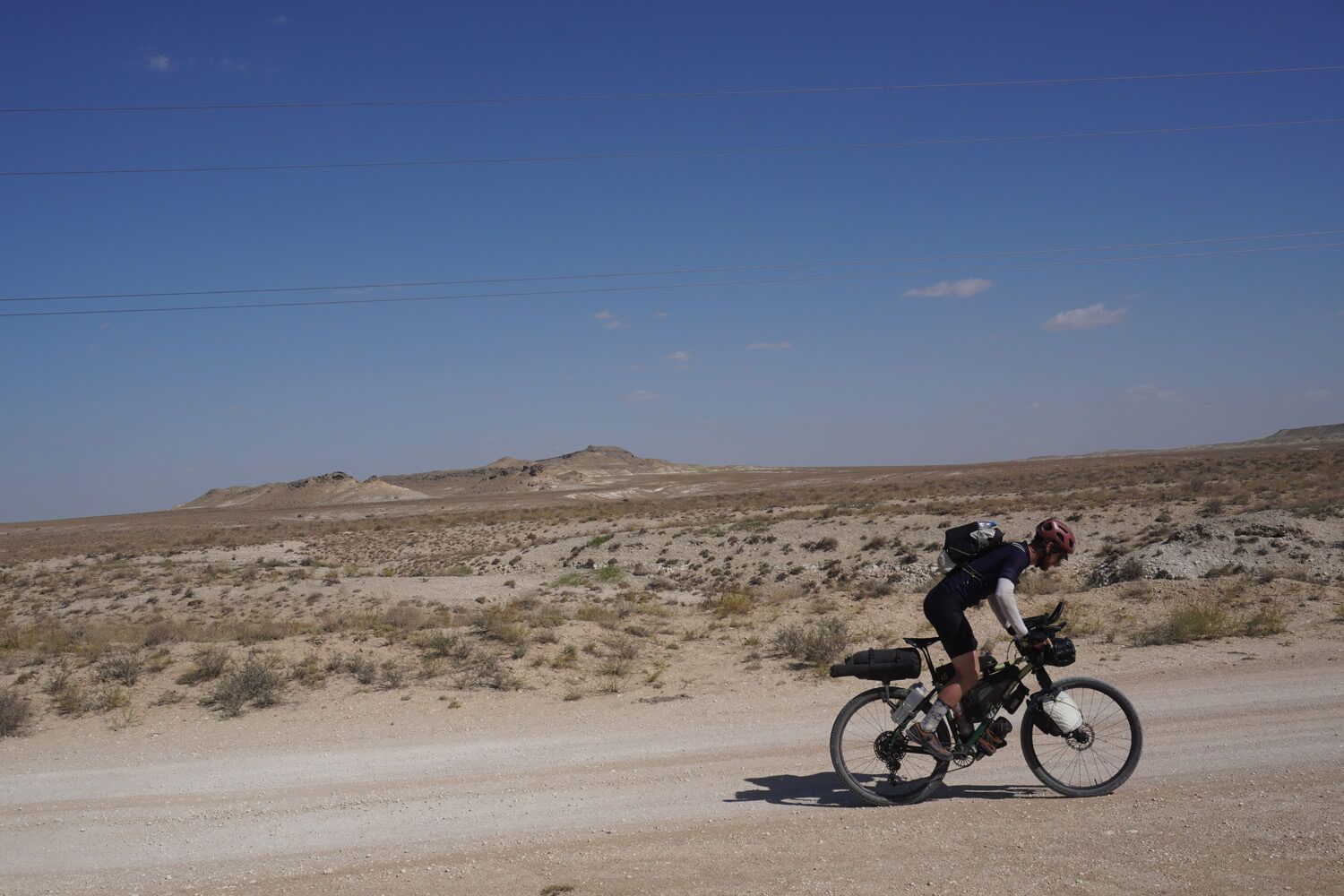
Kazakhstan in two words: calm, nourishing
I am glad I did because I was instantly happier at the Caspian Sea. Away from the constant and violent throng of busy countries and overpopulated cities, I could relax. Sure, the heat was a lot to deal with, the wind incredible and the emptiness enlightening, but those open lands and big skies provided the most spectacular sunsets. People too had a distinct look. Here the faces changed, the skin was darker, the faces rounder, the eyelids flatter from the brow – much more Asian. The people also seemed more unique and a lot nicer. The food was also good and I rested here to recover from the sickness that still lingered from Switzerland.
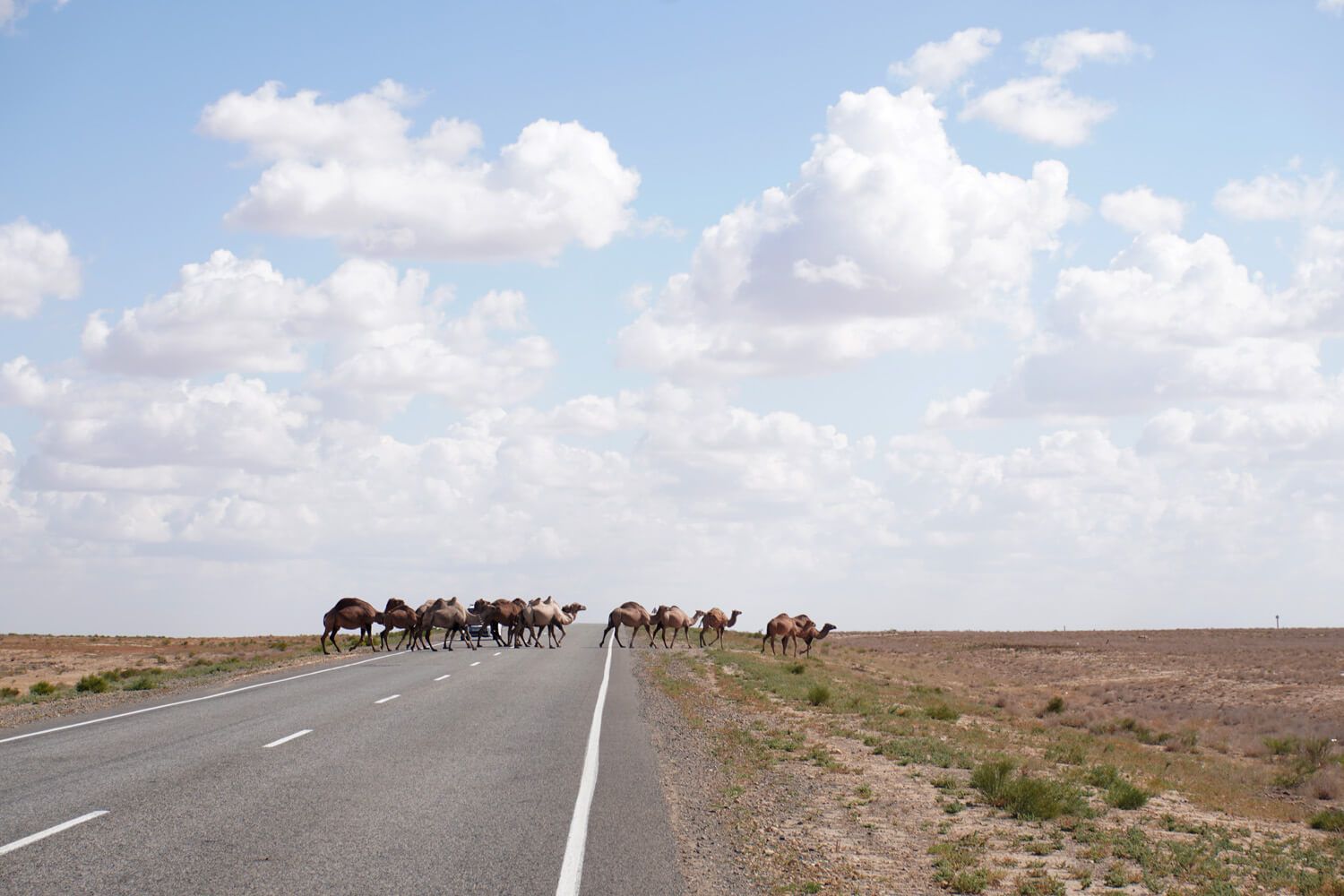
I liked riding in Kazakhstan. The back roads were all dirt and quiet. Camels and horses roamed otherwise empty red lands and the sky seemed to stretch to heights like nowhere else. I massively underestimated my finances here and ended up with scraps of food and little water. I could not afford accommodation, so I rode for 270 kilometers (168 miles) before finding a small round structure and setting up camp in the void of life that is a desert. It was only 180 kilometers (112 miles) on day two and, battling the winds, I made it into Beyneu with less than 50 milliliters (two ounces) of water to go. A less than exciting city, Beyneu is the gateway to Uzbekistan. It’s like a post-apocalyptic scene where sand covers the footpaths and buildings remain unbuilt. The market is a sheltered spot but even here, I was confronted by uncomfortable cultural shifts. The police pulled me into their car and drove me down the road. I suspect they wanted me to give them my passport to extort me, but somehow, at the right time, other cyclists passed by and the police let me go with them…
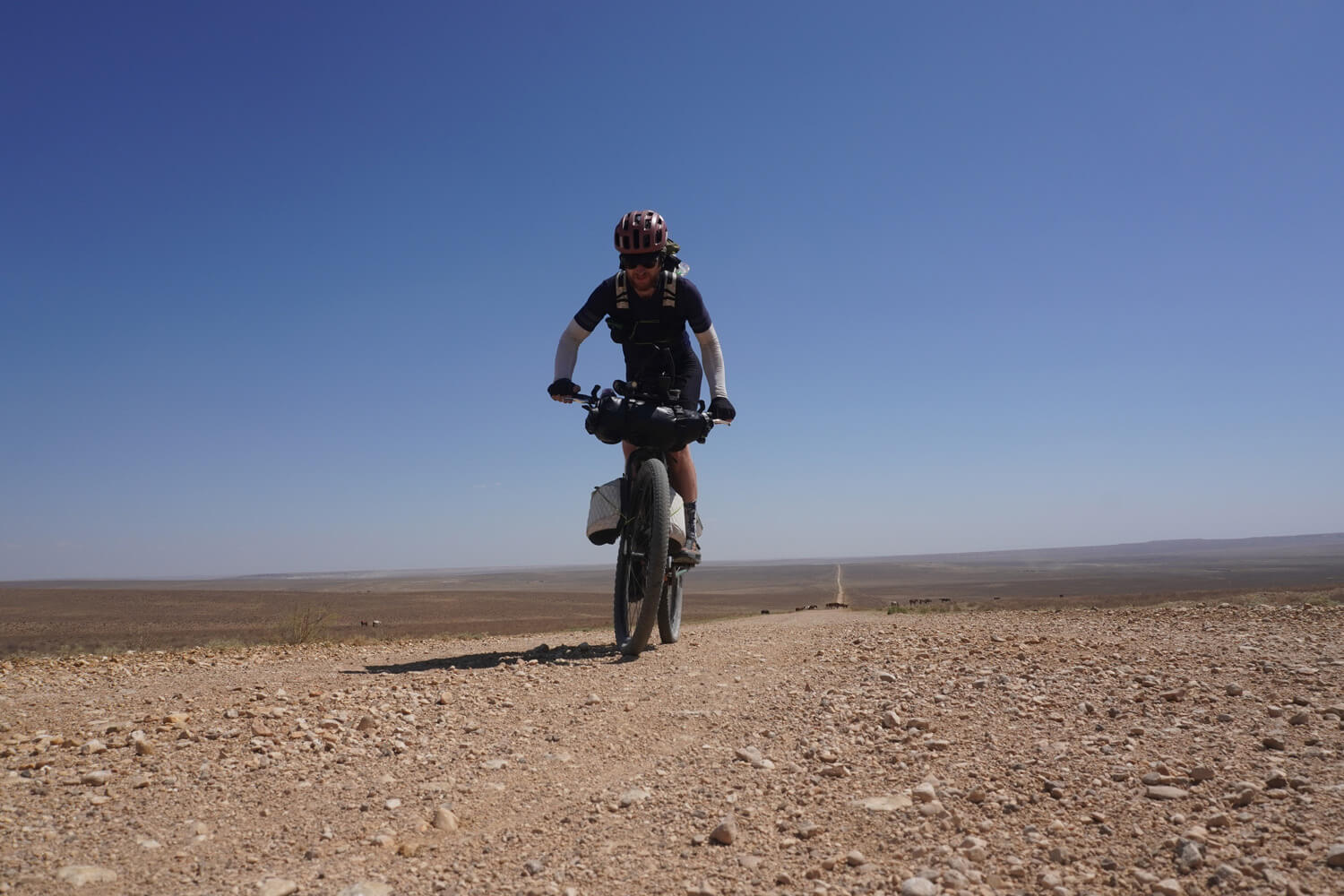
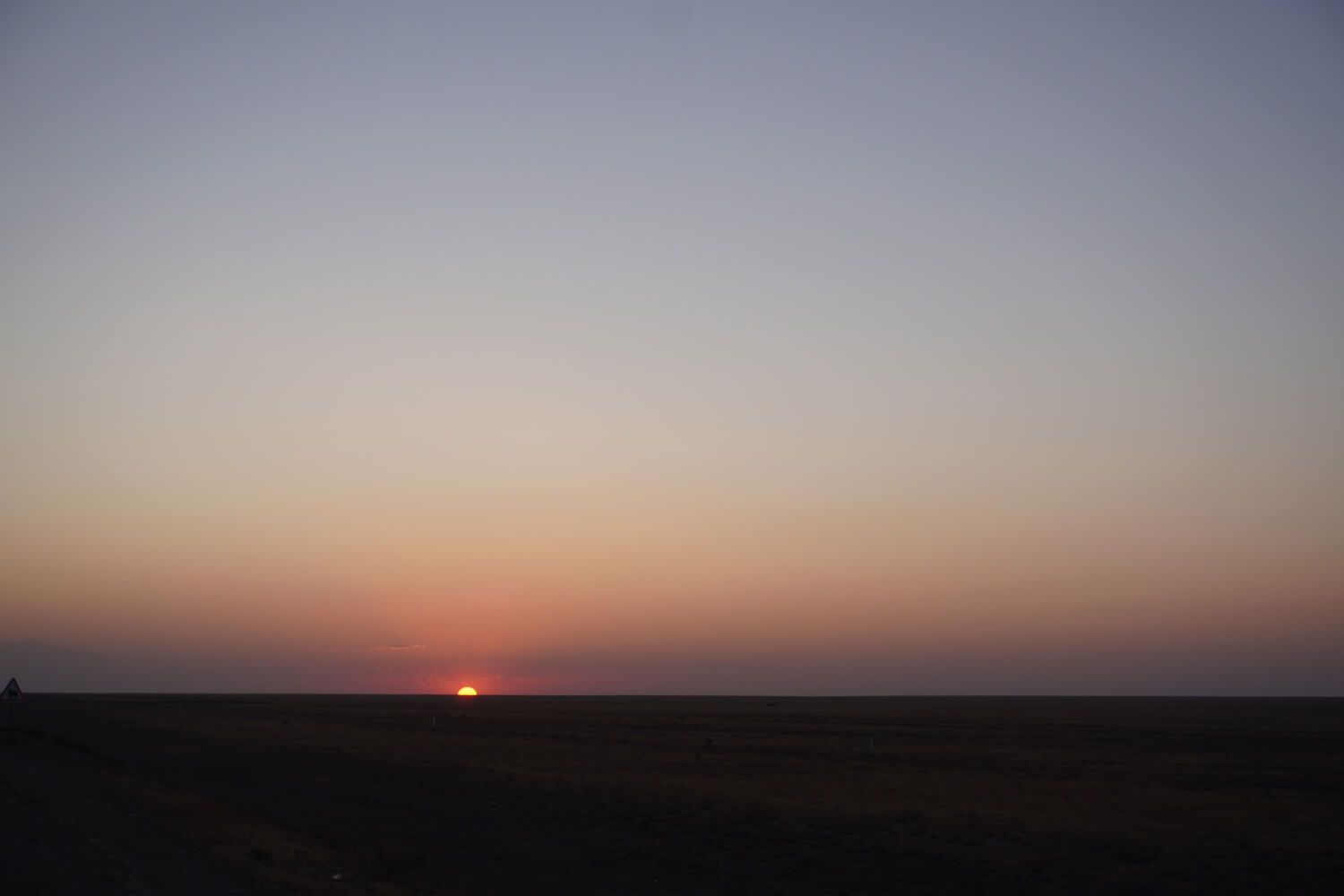
As if to foreshadow what’s ahead, Part 2 is a risky departure from predictability. But is it more dangerous to dare something or to forfeit an experience out of fear? Ride along with Liam in Part 2 and ask yourself what you would have done if you were in his shoes.
Related articles
Join now for engaging stories, exclusive offers and product news delivered right to your inbox.